Coinfest Asia 2026 Institutional Track Overview
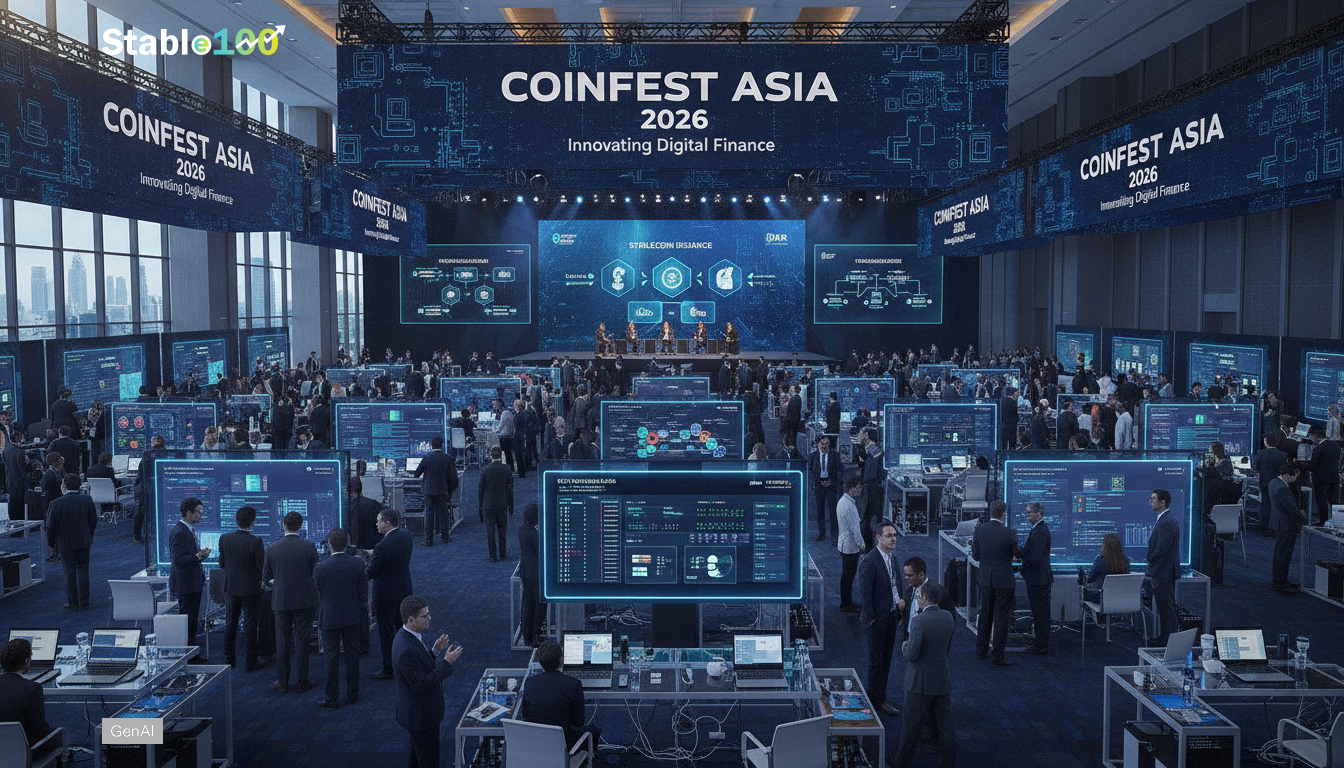
Coinfest Asia 2026 is repositioning its next edition to speak directly to banks, asset managers, and payment firms that need operational clarity, not just product demos. Organizers say the new institutional track is designed to turn conversations about regulated settlement, custody, and market structure into concrete implementation sessions. The event is framed as a venue where compliance and technology teams can compare playbooks across jurisdictions, with panels built around procurement, risk ownership, and vendor due diligence, with Coinfest Asia 2026 positioned for decision makers who can approve pilots and budget multi quarter deployments. This emphasis suggests a shift toward decision makers who can approve pilots and budget multi quarter deployments, though the impact will depend on final programming and attendee mix.
Stablecoin Settlement Topics On the Coinfest Asia 2026 Agenda
Payment and treasury teams are increasingly evaluating stablecoins for cross border settlement, intragroup liquidity, and collateral mobility where speed and auditability matter, according to available reports. A useful reference for risk teams is Stablecoin Depeg: Causes, Signals, and Monitoring Guide, which maps monitoring signals and operational responses, and that shift can make policy and risk work a gating factor for adoption, especially around transparency, depeg controls, and reserve reporting. If buyers attend with implementation mandates, Coinfest Asia 2026 could steer procurement toward clearer operating standards such as redemption windows, issuer disclosures, and monitoring playbooks rather than general narratives.
Reserve Transparency and Controls for Institutional Buyers
For institutions, reserve transparency is often treated as a control requirement that procurement, audit, and risk committees can validate. That typically includes who attests reserves, how frequently reports are issued, and how exceptions are handled during market stress; for additional context on third party review of reserves, see Tether audit: KPMG signs off 2025 Big Four review. Coinfest Asia 2026 may offer a setting where compliance owners compare disclosure expectations across jurisdictions and align them with operational processes such as reconciliation and incident response, depending on which regulators, issuers, and auditors participate. Market volatility remains a backdrop; Bitcoin has gone quiet as traders chase ‘5x or 10x’ payoffs elsewhere notes trading dynamics that can influence how teams prioritize infrastructure quality.
Tokenization Implementation for Asset Managers
Asset managers engaging with tokenization often start with process improvements: shortening settlement cycles, improving reconciliation, and creating programmable distribution rules for funds or structured products. CoinDesk described that convergence in Kraken adds U.S. stocks in Europe as TradFi-crypto divide blurs, and the biggest change may be an operating model where transfer restrictions, corporate actions, and reporting are encoded in workflows. If the track agenda emphasizes integration and controls, Coinfest Asia 2026 may surface how tokenized instruments still need to meet familiar service levels as traditional and crypto venues blend product lines. For internal readiness, many teams use frameworks like US Institutions Turn Tokenization Into an Edge Today to organize governance, data integration, and counterparty onboarding.
Regulatory Mapping and Cross Border Readiness in Asia
For globally active institutions, this institutional track can matter because stablecoins and tokenization sit at the intersection of payments, securities law, and prudential oversight. Compliance leaders often map which entity issues, holds, or intermediates a digital instrument, and how that choice affects capital treatment, disclosures, and consumer protection duties, with policy momentum also visible in the United States through Treasury led work; Stablecoin Regulation: Treasury Finalizes GENIUS Act describes developments that institutions may monitor when designing cross border offerings. Regulatory divergence can influence architecture, with firms favoring modular designs that can swap issuers, chains, and custodians without rewiring core ledgers. Coinfest Asia 2026 provides a peer setting for comparing how risk committees define acceptable reserves, redemption terms, and operational resilience for digital assets, assuming the sessions include practitioners willing to share playbooks in 2026.