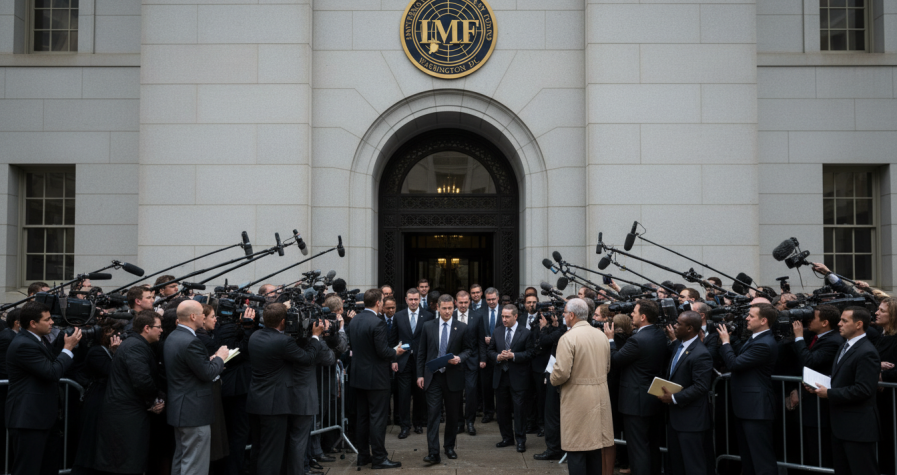
Explaining the GENIUS Act
Policy desks Today are tracking the GENIUS Act as Congress debates a framework aimed at tightening stablecoin standards. Lawmakers describe the proposal as a payments focused regime that pairs issuer eligibility with clearer supervision lanes, a design that intersects with parallel discussions around clarity act crypto, and donald trump genius act is being used as shorthand for the political push to set national rules quickly. In the middle of the negotiations, even as committees argue over scope, live hearings have centered on who can issue, how reserves must be held, and what disclosures must be continuous. An Update from staff briefings points to a preference for federal guardrails that reduce state by state fragmentation, including oversight questions tied to the May 2026 markup schedule.
Current Challenges in Stablecoin Stability
Market conditions Today still show why stability is fragile when disclosure is uneven and redemption confidence depends on trust. Issuers can face runs if holders doubt reserve liquidity, and regulators have complained that auditing, attestations, and risk language vary widely across products. For context on how concentration can amplify these stresses, Tether-Circle Duopoly Squeezes Stablecoins Now details competitive pressure around dominant issuers, and a Live problem for exchanges and payment apps is that some tokens trade off peg during stress, forcing users to take losses or wait out volatility. An Update from congressional staff has also flagged operational risks, such as settlement bottlenecks and reliance on a small set of banking partners.
How the GENIUS Act Proposes Solutions
Negotiators Today are focusing on reserve quality, redemption timing, and supervisory accountability as the core fixes under the stablecoin genius act. The bill concept relies on higher grade liquid assets, tighter disclosure cadence, and a clearer examination model for issuers that want nationwide scale. In that context, donald trump genius act messaging has emphasized speed to rules that markets can price, while draft language seeks to reduce loopholes between bank and nonbank structures. Live industry lobbying is pushing for workable custody and reporting requirements that do not freeze issuance during spikes in demand, and Coindesk coverage of SEC chair Atkins on onchain market rules shows how agencies are framing oversight for tokenized activity. An Update to legislative calendars indicates revisions are being prepared before the next markup.
Potential Impact on the Crypto Ecosystem
Trading desks Today are evaluating how standardized rules could shift liquidity toward compliant issuers and improve stablecoin routing across exchanges, brokers, and payment processors. A Live benefit cited by risk managers is fewer surprises around reserve composition, which can tighten spreads when traders hedge crypto exposure via dollar tokens. At the same time, compliance costs could reshape issuer economics and push smaller projects to partner with regulated entities, and infrastructure teams are watching whether clearer rules accelerate integration work for enterprise rails, including Coinbase and AWS Build USDC Rails for AI Agents, because predictable redemption and reporting can reduce counterparty friction. An Update from market makers suggests that if bank access improves, onchain liquidity may deepen and reduce episodic depegs, but only if redemption windows are enforceable under stress.
Global Reactions to the GENIUS Act
Regulators Today outside the United States are watching whether a US stablecoin framework becomes a de facto template or a competitive challenge to local payment sovereignty. European officials have warned that stablecoin scale can transmit dollar influence, and Coindesk reporting on ECB president Lagarde and the digital euro describes concerns about digital dollarisation pressures in Europe. In Asia, supervisors have typically emphasized licensing and reserve segregation, and a Live response is likely to focus on reciprocity rules for cross border offerings. An Update from international policy circles is that coordination could intensify at standard setting forums if US rules create clear issuer categories. Even so, some jurisdictions may tighten local requirements to prevent regulatory arbitrage while preserving domestic payment options.