South Korea’s Latest Moves on Crypto Regulation
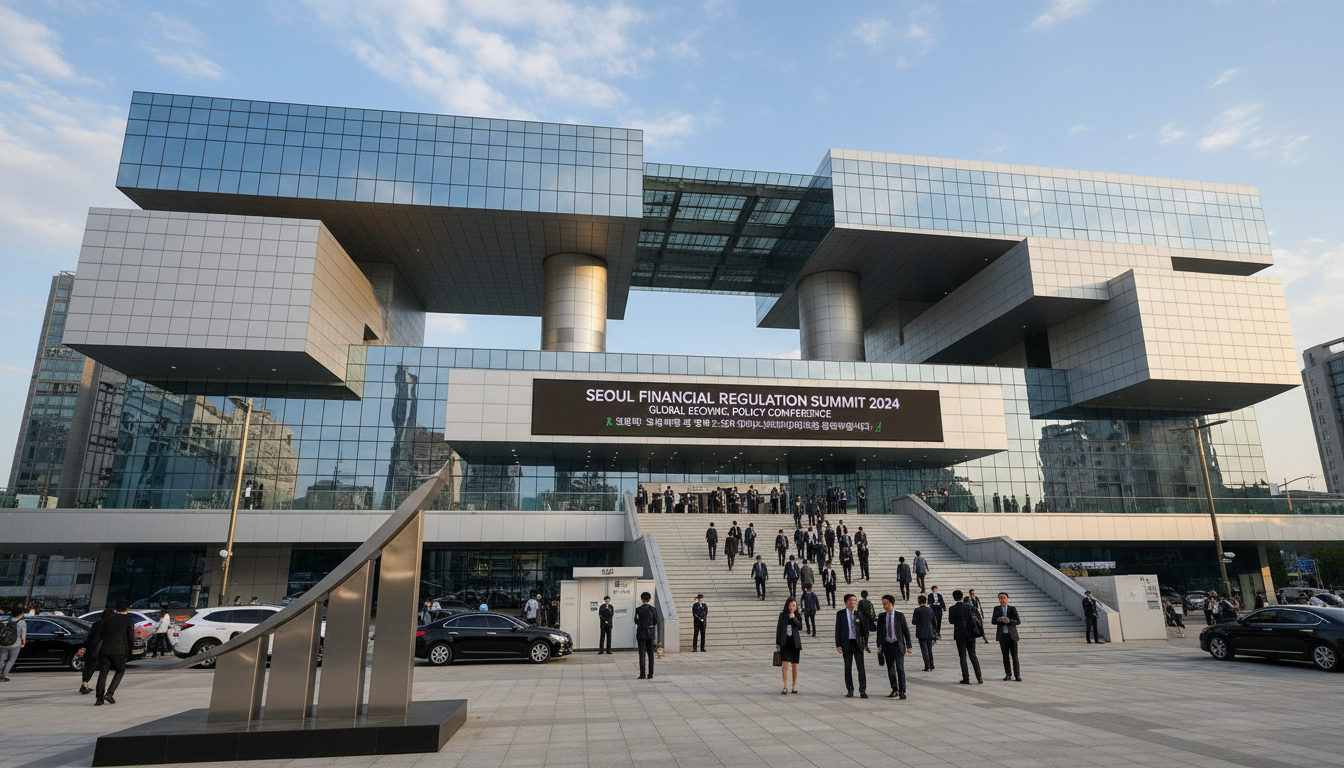
South Korea lawmakers are moving the market closer to a single, enforceable rulebook as a draft crypto bill expands beyond exchange supervision into payment style tokens and onchain issuance. In the current Live policy cycle, agencies and companies are reading text line by line to understand how issuance, custody, and reporting could change. CoinGeek framed the proposal as covering stablecoins and RWAs, a signal that tokenized instruments are now part of the mainstream legislative agenda. Traders are tracking Today statements from officials for nuance, because wording on backing, redemption, and licensing can shift compliance costs quickly. The next Update is expected to come through formal committee review rather than informal guidance.
Key Provisions on Stablecoins and Tokenization
Draft language described by CoinGeek points to tighter definitions for payment linked tokens and clearer accountability for issuers, with tokenization treated as a regulated activity rather than a marketing label. The market focus is South Korea crypto regulation because stablecoins sit between securities law, payments oversight, and consumer protection. A Live compliance question is whether reserve custody, attestations, and redemption rights are mandated in statute or delegated to regulators for later rules. For context on stablecoin risk framing, Stablecoin Growth Brings New Risks for Markets Now tracks how market structure can amplify stress when redemptions spike, as detailed in Stablecoin Growth Brings New Risks for Markets Now. Today, firms building issuance rails are preparing internal controls so an Update does not force sudden product freezes.
Implications for Real World Asset Tokenization
Real world assets are no longer treated as an edge case in Seoul, because tokenization touches capital markets plumbing, custody, and disclosure in ways regulators can audit. The draft bill as summarized by CoinGeek elevates questions about who can tokenize claims on cash like instruments, commodities, or receivables, and what investor protections follow the token when it moves across venues. South Korea crypto regulation matters here because the bill can determine whether token issuers need licensing similar to financial investment businesses, or whether platforms shoulder the obligation. Cross border observers are comparing this to policy debates elsewhere, including how supervisors think about onchain market rails in the United States. CoinDesk reported that SEC chair Atkins signaled new rules for onchain markets, as outlined in SEC chair Atkins signaled new rules for onchain markets, a reminder that alignment pressures are rising. Live market participants want Today clarity so each Update reduces legal uncertainty.
Regulatory Challenges and Opportunities
The hardest implementation issue is sequencing, because enforcement can move faster than operational change at issuers, banks, and exchanges. Supervision that requires real time monitoring of minting, burning, and reserve movements can be effective, but it also raises costs for smaller entrants. South Korea crypto regulation could still create opportunities if licensing standards are transparent and allow compliant products to scale, especially for corporate treasuries and fintech payment flows. Technology vendors are preparing tooling that links stablecoin settlement with audit trails and identity checks, which could reduce friction if regulators accept standardized reporting. A related industry push is visible in infrastructure partnerships such as Coinbase and AWS Build USDC Rails for AI Agents, described in Coinbase and AWS Build USDC Rails for AI Agents, which highlights how compliance and automation are converging. Today operators want Live feedback loops so each Update narrows interpretation gaps.
Future Outlook for South Korea’s Crypto Market
The near term market impact depends on how quickly the draft becomes enforceable law and whether secondary regulations define reserve assets, disclosure frequency, and penalties with enough precision for banks to participate. CoinGeek’s characterization of stablecoins and RWAs inside the bill signals that regulators want a framework that can survive new product cycles, not a one off exchange patch. If the legislative calendar stays on track, Today compliance teams will start budgeting for audits, legal reviews, and systems changes that can be tested in parallel. A Live concern is that uneven interpretations across agencies could slow launches even when rules exist on paper, including across Seoul based agencies reviewing the text. The most constructive Update would be a clear path for licensed issuers and tokenization platforms to demonstrate controls and continue operating without abrupt service interruptions.