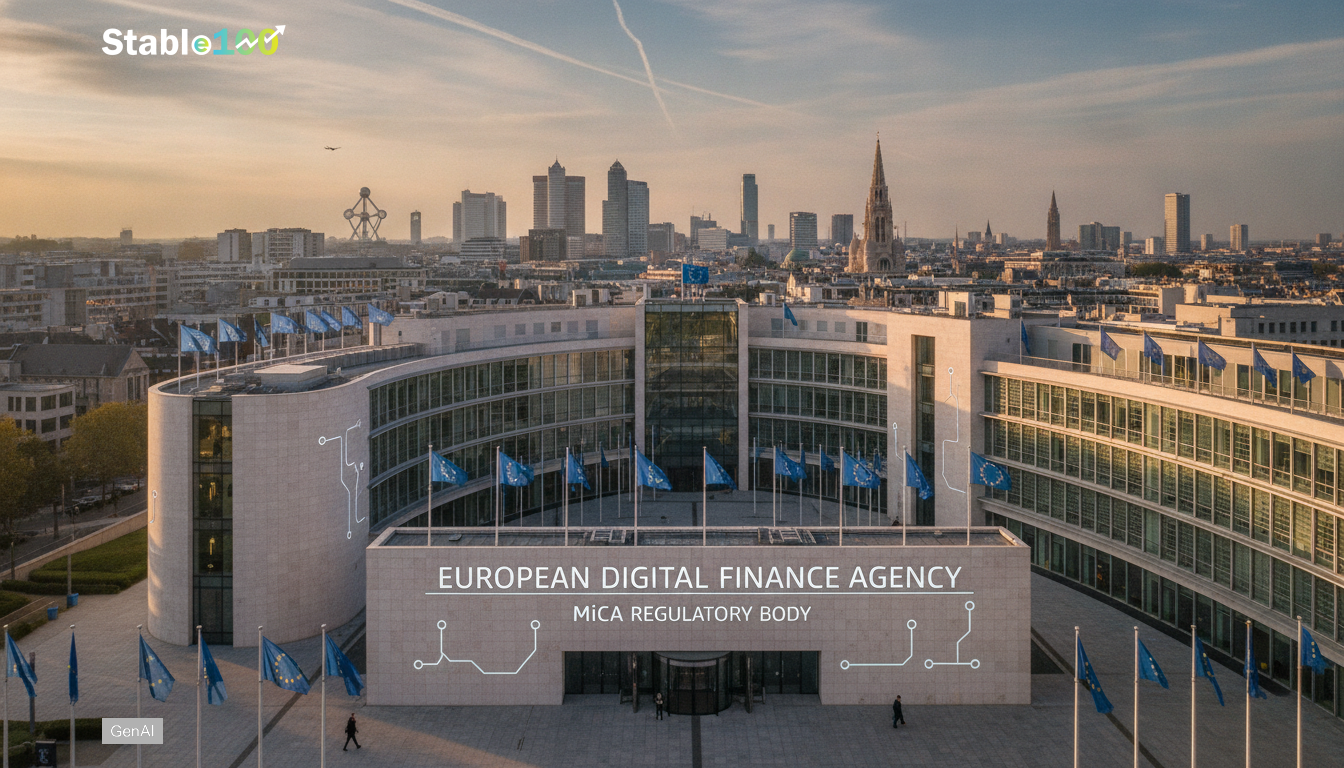
MiCA Licensing and EU Crypto Custody: What Changes
MiCA licensing is increasingly becoming a key requirement for offering crypto custody services across the EU. However, it is more than just a one-time checkbox. According to available reports, supervisors often ask firms to explain how MiCA licensing governance, outsourcing, and conflicts controls operate in daily activities, not solely in written policies. MiCA is scheduled to phase in across 2024 and 2025, with many custodians preparing for reviews that could follow authorization if business models, asset scope, or key vendors change. Legal and compliance teams are ensuring that client terms, risk disclosures, and incident reporting align with practical operations, aiming for an application package capable of withstanding follow-up queries and desk-based reviews.
MiCA licensing requirements: Governance, resilience, evidence
National competent authorities generally request evidence that controls are in place and monitored. For MiCA licensing, custodians might be asked to provide clear ownership of key management processes, document third-party oversight, and offer testing records that demonstrate operational resilience. For evolving EU developments, some teams monitor policy updates via MiCA revision expands EU rules on tokens and stablecoins to predict potential expansions in custody scope and documentation. Firms also strategize on meeting reporting expectations once authorized, including readiness to deliver decision logs and risk assessments during supervisory queries. The compliance burden can impact budget and staffing decisions, with audits, assurance work, and external legal review potentially becoming regular expenses.
Security standards regulators expect from crypto custodians
According to CoinDesk, examiners may expect crypto custodians to show verifiable security controls that consider the risks like hot-wallet exposure, key management, and third-party dependencies. Boards may review policy proposals and debates touching on CBDCs and legislative constraints that affect cross-border groups in terms of harmonizing baseline controls. Supervisory practices might include expectations for segregation of duties, tested incident response, and access logs linked to specific roles, with evidence of periodic review being crucial. Moreover, this scrutiny could be influenced by stricter global regulations. An example of tighter operational baselines is reflected in Hong Kong Anti-Phishing Measures Tighten Crypto Rules.
Impact on the EU crypto market for licensing and custody
MiCA licensing examination is reshaping competition in the bloc, particularly affecting smaller providers that once operated under less stringent supervision. For further insight on how requirements can extend outside the EU, refer to MiCA framework extension targets non-EU stablecoin issuers. Firms securing authorization might obtain distribution opportunities with banks and payment partners, though they will also encounter ongoing monitoring which may increase unit costs. This trend is often linked to market consolidation, since larger platforms can distribute assurance, security, and compliance expenses across broader client bases. Strategic decisions around stablecoins and tokenized assets are evolving as custody responsibilities widen to incorporate new instruments, collateral models, or settlement workflows.
How to prepare for increased regulatory oversight
Custodians aiming to remain viable under more intense scrutiny are investing in compliance operations based on evidence, beyond mere policy drafting. Teams are setting up continuous control testing, reinforcing vendor oversight, and clarifying accountability for key processes and wallet architecture adaptations, ensuring audit evidence is readily available. Management is also preparing for frequent supervisory engagements by maintaining decision records that are promptly producible and reconcilable with current system setups. This approach treats MiCA authorization as the beginning of continuous assurance, not merely the conclusion of a project. Some firms also monitor global developments that could influence EU standards over time. For instance, CoinDesk has noted activities in the U.S. related to crypto-linked financial services, which some boards perceive as indicative of rising governance and control expectations for custody and settlement services.