US and UK Align Rules for Cross-Border Finance
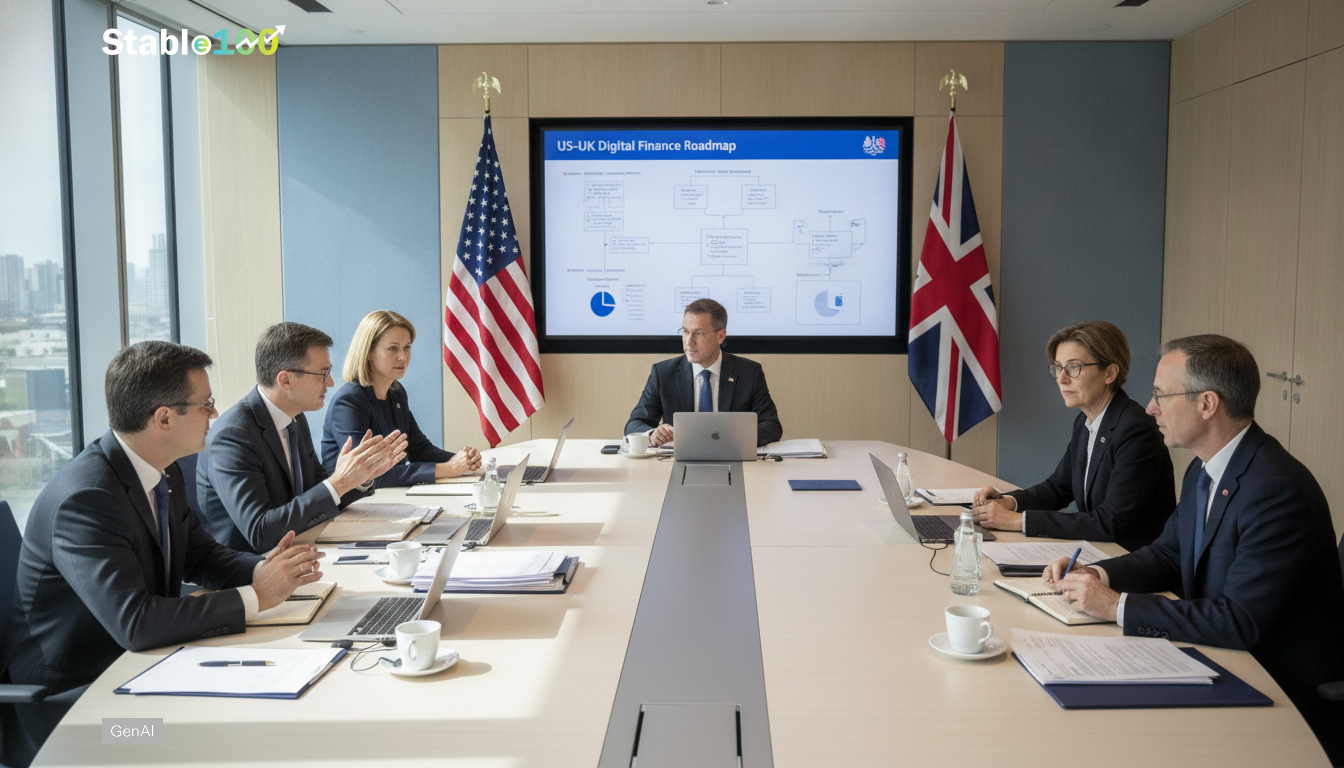
Cross-border finance is at the center of a new US and UK push to coordinate tokenized finance supervision. Officials in both jurisdictions have indicated they want closer coordination on market structure, disclosures, and operational resilience so firms can apply consistent controls when issuance, trading, and custody span two legal regimes. According to reports from Blockhead.co, the initiative has been characterized as a “10-point roadmap,” though details can vary by forum and should be read as a framework rather than a single binding rulebook. The intent appears to be to reduce interpretive gaps that affect listing, settlement, and safeguarding obligations, while making supervision and compliance mapping more predictable for institutions operating across both markets.
Why Cross-Border Finance Integration Matters
Alignment matters because tokenized stocks and tokenized fund shares can potentially reach global investors faster than legacy settlement rails, which may amplify risks when protections differ by jurisdiction. In cross-border finance, shared expectations on identity checks, recordkeeping, and investor disclosures can influence whether a product is distributed broadly or restricted to local venues. Stablecoin pilots also show how quickly payments questions jump borders, including work referenced in Bolivia Weighs USDT for National Payment System Use. Harmonized standards are intended to make cross-jurisdiction supervision more predictable for institutions and reduce duplicated compliance work.
What the Tokenized Finance Roadmap Covers
The roadmap is described as focusing on core building blocks such as clearer definitions for tokenization-related activities, tighter supervisory coordination, and controls intended to preserve market integrity when assets move onchain. A frequently cited issue is which entity must maintain accurate records of ownership and corporate actions when tokens represent claims on offchain assets, a question that can affect cross-border finance workflows. Industry momentum is visible in infrastructure timelines. CoinDesk reported that DTCC moved tokenized securities into live trading on 2026-07-15, which helps explain why regulators emphasize settlement finality and governance. Another commonly discussed theme is how trading venues should handle surveillance, conflicts, and best-execution style obligations when tokenized assets are involved.
Stablecoins, Custody, and Asset Management Effects
For stablecoins, regulators have signaled focus on reserve quality, redemption mechanics, and how issuers interface with banks and payment systems—areas that can affect systemic risk in cross-border finance flows. Asset managers are watching because tokenized funds and tokenized stocks may shorten operational cycles, but only if custody, valuation, and transfer-agency roles are clearly defined in each jurisdiction; see Stablecoin Strategy for Banks: Planning for 2026 for how compliance planning is shaping institutional adoption. Firms such as ondo finance are relevant because tokenization structures often depend on regulated custodians, clear disclosure, and enforceable claims that connect tokens to underlying assets, though the exact setup varies by product.
What Happens Next for Global Markets
Should US and UK coordination continue as policymakers have indicated, global firms could potentially design products once and then adapt them through a smaller set of jurisdiction-specific overlays, potentially reducing launch delays and legal uncertainty. The next phase will likely hinge on how regulators treat market data, audit trails, and the enforceability of smart-contract processes during disputes or insolvencies—topics that are still evolving in cross-border finance. CoinDesk has noted adjacent institutional experimentation, including Cantor and Securitize collaborating on blockchain based IPOs, highlighting convergence between primary issuance and tokenized post-trade workflows. For related background, see US-UK collaboration to harmonize tokenization rules and DTCC tokenization: SBI and Solana’s Japan market plan.